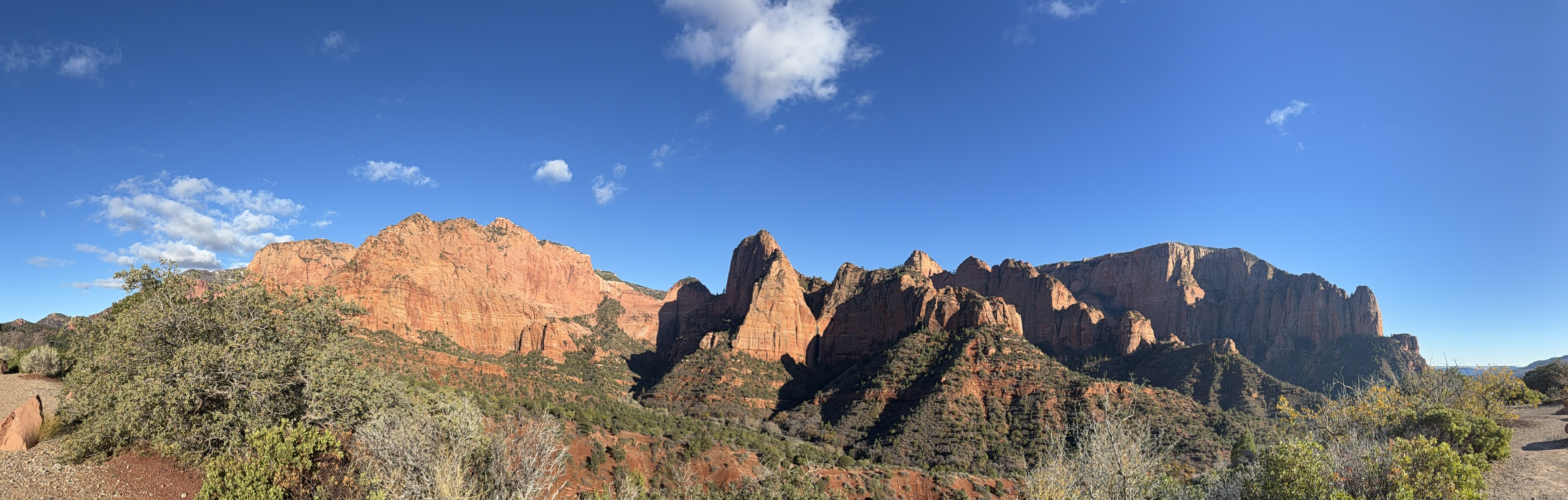
- Place
- Zion National Park, UT
- When
- October 29-November 4, 2026
For the longest time, I had wanted to visit Zion National Park. I had always associated its scenery with grandeur and majesty. And while those descriptions are certainly fitting, when I finally arrived, I found myself experiencing something altogether different. I felt small. Insignificant, even.
The landscape of southern Utah was unlike anything I had imagined. Vast stretches of red rock, barren terrain, towering sandstone cliffs, and dramatic formations that looked as though they belonged on another planet. At times, I felt as though I had landed on Mars. There was something so otherworldly about this place, as though I were an explorer wandering through an ancient, unfamiliar world.
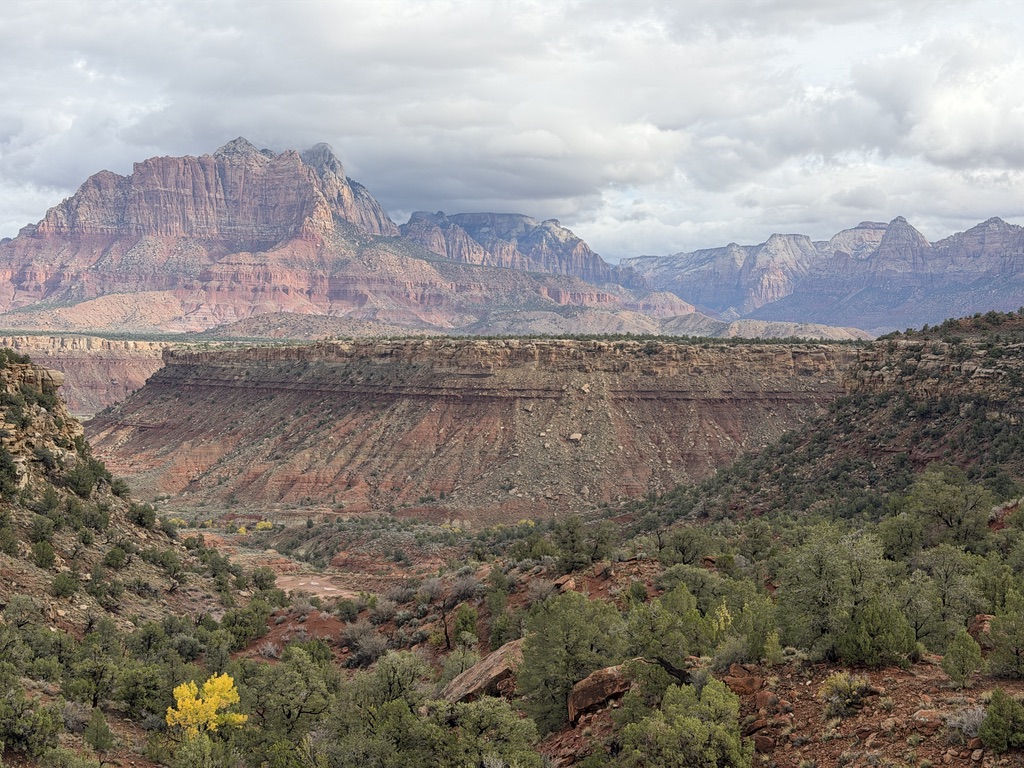
During our Jeep tour, our guide, who was a wealth of knowledge about the region, shared some fascinating details about the geology. Many of the towering cliffs in Zion are composed of Navajo Sandstone, formed from enormous sand dunes that covered this region during the Jurassic Period, roughly 190 million years ago. Over time, layers of sand were buried, compacted, and cemented together into stone. The striking bands and shades of red, orange, pink, and cream that we see today are partly the result of iron minerals in the rock and their oxidation.
190 million years. Let that sink in.
I can barely comprehend what the world looked like a million years ago, let alone 190 million. The ancient sands that formed these cliffs existed during the age of the dinosaurs, long before humans ever walked the Earth. Over millions of years, the forces of water, wind, and erosion sculpted the sandstone into the immense cliffs, canyons, buttes, and ridgelines we see today.
And yet, for all its seemingly barren beauty, Zion is full of surprises.
While walking along the Virgin River toward the Temple of Sinawava, I encountered at least three waterfalls cascading down the canyon walls. Waterfalls! In a landscape that looked so dry and desert-like, they were among the last things I expected to see. I also learned that some of the water emerging from Zion’s sandstone has spent more than a thousand years slowly filtering through the rock before reaching the surface. The thought that water falling before my eyes might have begun its journey centuries ago was extraordinary.
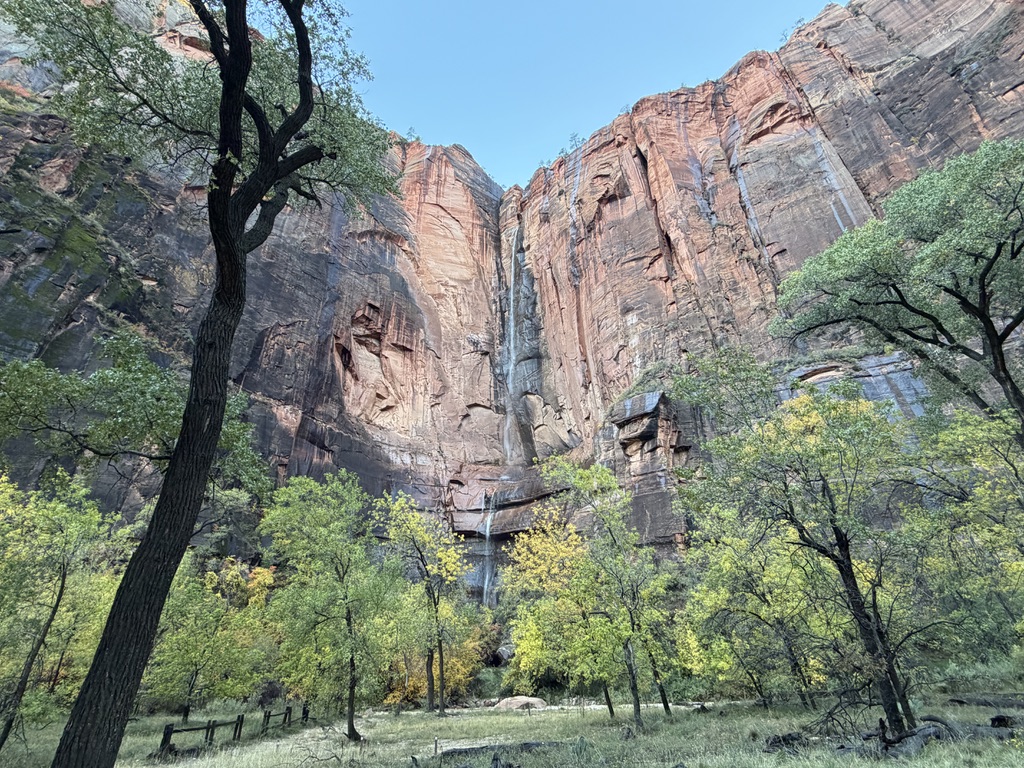
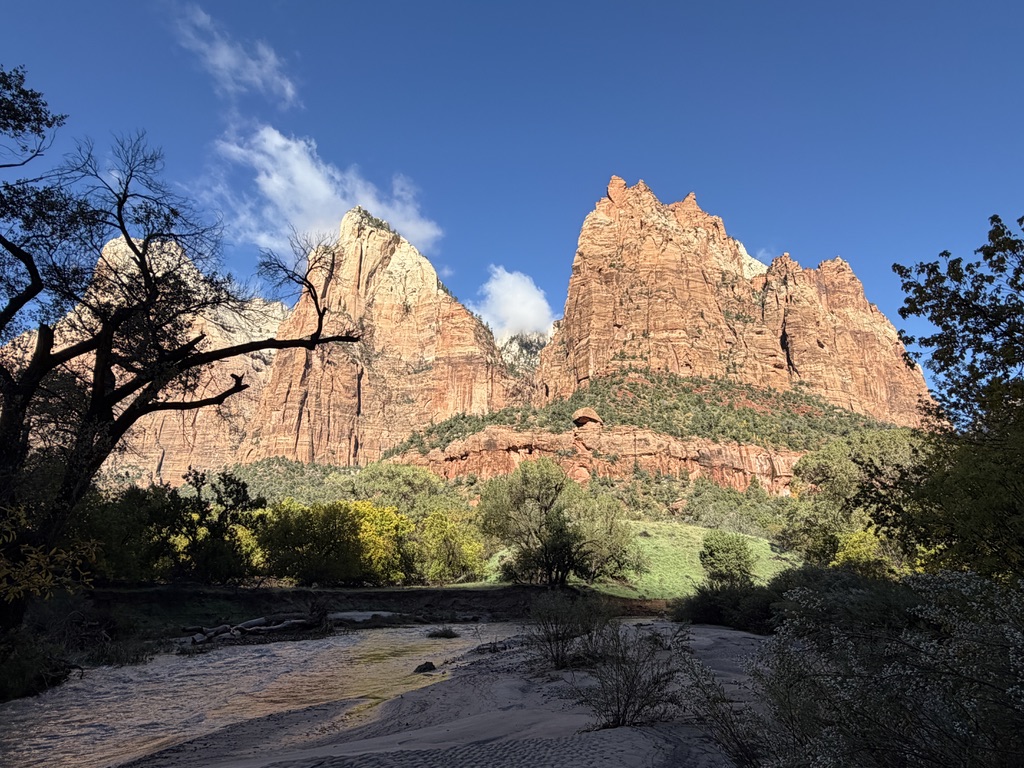
Throughout our visit, whether gazing across the viewpoints at Kolob Canyons, admiring the rugged formations around Smithsonian Butte, or standing beneath the immense sandstone walls of Zion Canyon, I kept returning to the same thought: how small we are in the grand scheme of things.
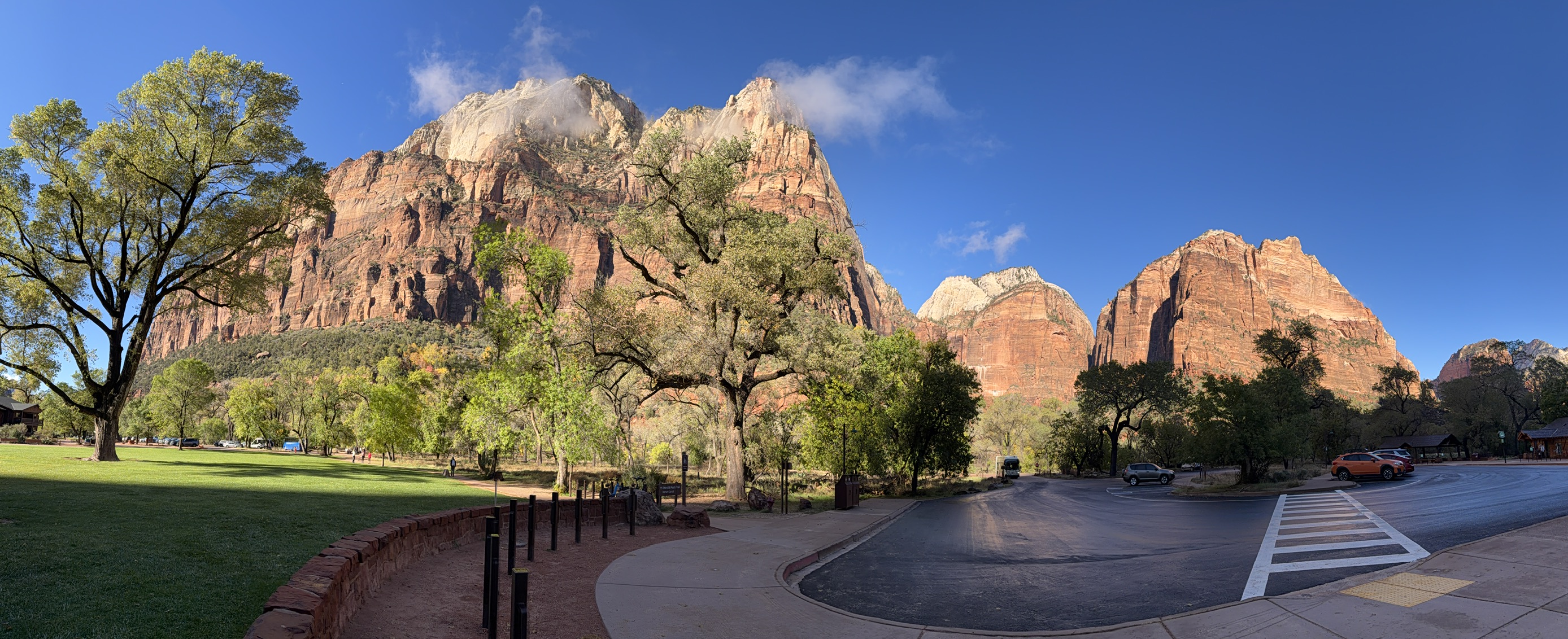
These landscapes have been millions of years in the making, and they will continue to evolve long after we are gone. Our lives, our worries, our ambitions, even the things we consider monumental, occupy such a fleeting moment in Earth’s history.
There is something profoundly humbling about that realization. But rather than making me feel unimportant, it offered a sense of perspective. Standing in the presence of something so ancient reminded me that the world is infinitely larger than my own experiences and concerns.
Perhaps that is one of the greatest gifts of travel. Sometimes, we need to stand somewhere that makes us feel small, not to diminish ourselves, but to expand our understanding of the extraordinary world we inhabit.